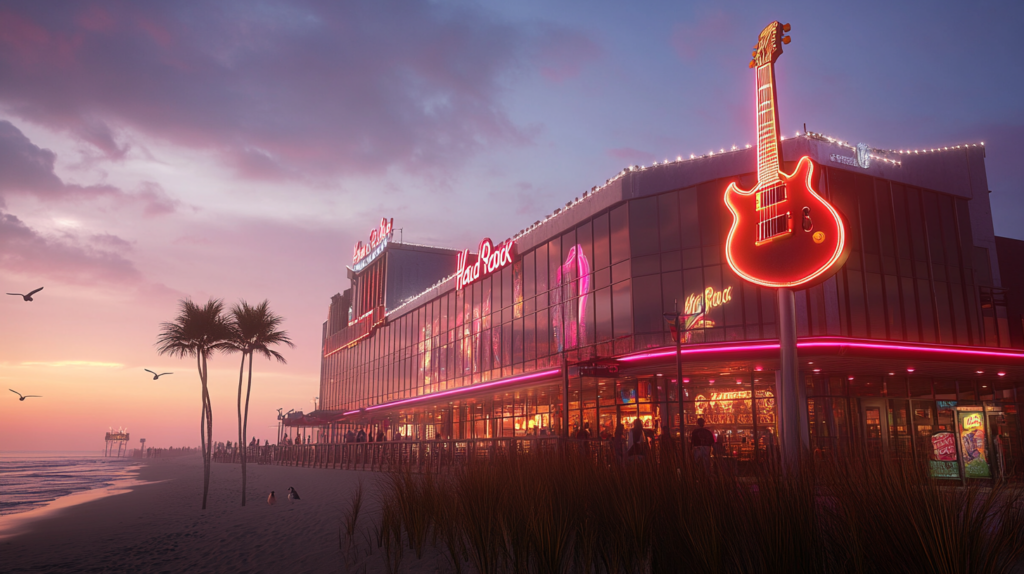

Atlantic City, New Jersey, rises from the sandy shores of the Jersey shore like a gambler’s fever dream—a place where fortunes flip faster than a dealer’s card. Known as the “Las Vegas of the East Coast,” this seaside resort town has long been a magnet for thrill-seekers, its iconic boardwalk and towering casinos promising glitz and glory. Yet, beneath the flashing lights, Atlantic City’s real estate market has ridden a wild rollercoaster shaped by the rise and fall of its gambling empire.
Historical Development
The dice rolled in Atlantic City’s favor on November 2, 1976, when New Jersey voters approved casino gambling via referendum [1]. The first legal casino, Resorts International, flung its doors open on May 26, 1978, sparking a development frenzy. By the 1980s, the Boardwalk glittered with new giants like Caesars and Bally’s, turning a faded Victorian resort into a neon-charged gambling hub.
Real Estate Boom
Casinos didn’t just draw players—they ignited a property explosion. From 1978 into the early 2000s, Atlantic City’s skyline soared as developers poured billions into hotels, gaming floors, and luxury condos. The influx of tourism and casino jobs drove a sharp rise in home values, with prices peaking in the mid-2000s as the city rode the national housing bubble. Since the 1980s, the population has hovered near 40,000, supported by an estimated and somewhat stable 30,000-plus casino jobs [2], fueling demand for housing and retail along the coast.
Challenges
But the house doesn’t always win. The 2008 financial crisis hit hard, slashing tourism and exposing the city’s over-reliance on gambling. Property values plummeted by 2012, and four casinos shuttered in 2014 alone—Revel, Showboat, Atlantic Club, and Trump Plaza—leaving vacant hulks on the skyline [3]. Competition from nearby states like Pennsylvania and New York, which legalized gambling in the 2000s, drained visitors, while Hurricane Sandy in 2012 battered the coast, eroding beaches and confidence. The real estate market teetered as foreclosures spiked [4].
Resilience and Recovery
Atlantic City’s grit shone through. The 2018 legalization of sports betting—thanks to a Supreme Court win—pumped new life into the economy, generating $1.1 billion in revenue in 2023 [5]. Casinos like Hard Rock and Ocean Resort rose from the ashes of failed properties, while the city diversified with concerts and conventions.
Current Landscape
Today, Atlantic City’s real estate market is a mixed bet. Median home prices hover around $169,000, but inventory remains tight, with only 20-30 houses sold monthly in early 2025 [6]. Tourism drives demand—27 million visitors in 2023 [7]—yet high taxes and flood risks temper growth. Investors eye rentals for seasonal workers, while new developments hint at a broader revival. Still, the market is tied to gambling’s ups and downs.
The Legacy
Atlantic City’s tale is one of bold bets and big swings. Its real estate soared with casino dreams, crashed with economic tides, and now seeks a steady hand. As it balances its gambling soul with new ambitions, this coastal town remains a wild card worth watching.
Sources:
- The Atlantic City Free Public Library, “History of Casino Gambling in Atlantic City.”
- NJChamber, “Atlantic City casinos employing 30,000 for first time in 4 years.”
- NPR, “After Just Two Years, Huge Atlantic City Casino Shuts Down.”
- Wikipedia, “Atlantic City, New Jersey.”
- PlayNJ, “Atlantic City Casinos Top $1 Billion In 2023 Revenue Despite Another Drop In May”
- Redfin, “Atlantic City, NJ Housing Market.”
- City of Atlantic City, “The Official Website of City of Atlantic City, NJ.”