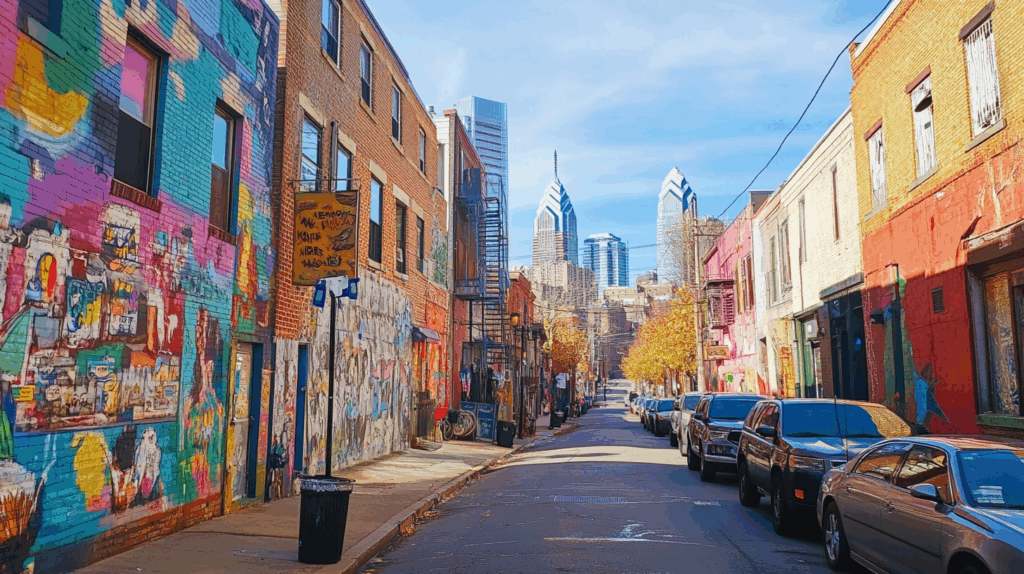

Imagine Philadelphia — a city rich in historical significance — transforming into a vibrant center for contemporary gambling activity. Known for its Liberty Bell and cobblestone streets, this East Coast giant has added a new layer to its story since casinos rolled into town. It’s not Las Vegas or Atlantic City, but Philadelphia’s unique urban vibe and proximity to major markets make it a standout in the gambling world. Since the first casino opened its doors in 2010, the city’s real estate landscape has felt the ripple effects, blending old-world charm with a fresh economic spark.
Historical Development
The journey began in 2004 when Pennsylvania legalized casino gambling to boost revenue and jobs [1]. It took some time for Philadelphia to cash in, with Mohegan Sun—now Mohegan Sun at Pocono Downs—opening its doors in 2006 [2]. This wasn’t a sleepy town turning into a neon jungle; it was a calculated move to revitalize an already bustling metropolis. Casinos like Parx and Live! followed, carving out a niche in a city that’s long been a commercial and cultural powerhouse. The result? A gambling scene that complements, rather than defines, Philadelphia’s identity.
Real Estate Boom
The real estate market got a jolt from this casino boom, especially along the Delaware River. Commercial properties near Rivers Casino saw a surge in value as businesses flocked to capitalize on the influx of visitors, with $12.2 million increase in travellers in Pennsylvania from 2021, as stated by officials [3]. Warehouses morphed into sleek hotels and entertainment spots, while property values in the area climbed steadily since 2010, outpacing some residential neighborhoods. The urban density caps residential sprawl, but the demand for retail and hospitality spaces soared, fueled by tourism and the thousands of jobs casinos brought to the table [4]. It’s a textbook case of how gambling can breathe life into a city’s commercial core without turning it into a one-trick pony.
Challenges
But it hasn’t all been smooth sailing. Philadelphia’s casinos faced stiff competition from nearby Atlantic City, just an hour away, and regulatory hurdles slowed expansion plans. The aftermath of the 2008 financial collapse casted a long and difficult shadow over Philadelphia’s economy, placing significant strain on its real estate sector. Yet, the real estate scene held firm. Unlike smaller gambling towns that lean heavily on casinos, Philadelphia’s diversified economy—think healthcare, education, and tech—acted as a buffer.
Resilience and Recovery
Developers adapted, focusing on mixed-use projects that blended casino-driven growth with the city’s broader needs, keeping property values on an upward trajectory. This resilience shines through in how the market absorbed setbacks and kept chugging along, proving Philadelphia’s depth beyond its gambling glitz.
Current Landscape
Now, Philadelphia’s property landscape stands as a testament to that enduring strength. Commercial zones near casinos remain hot, with rental rates for retail spaces climbing as businesses chase the tourist dollar. Residential growth lags due to limited space, but demand for urban living stays strong, bolstered by the city’s job market and cultural pull. Data from real estate reports show a steady 3-4% annual increase in property values near the Delaware River since 2015, a sign of sustained interest. As of April 2025, Zillow sets the median home price at around $280,000 [5]. Looking ahead, experts see potential in adaptive reuse projects—think old factories turned into lofts or entertainment hubs—marrying the city’s past with its casino-fueled future.
Conclusion
Philadelphia’s gambling hub isn’t just a footnote in its real estate saga; it’s a chapter of reinvention. The city didn’t bet it all on blackjack tables but used casinos as a catalyst to refresh its urban fabric. As it balances history with progress, Philadelphia stands as a model for how gambling can spark growth without overshadowing a town’s soul. Its legacy? A market that’s tougher than a Philly cheesesteak and poised for whatever comes next.
Sources:
- Wikipedia, “Gambling in Pennsylvania,”
- Mohegangaming, “Mohegan Sun at Pocono Downs is Pennsylvania’s First Casino Following a Grand Opening Celebration,”
- PA Department of Community & Economic Development (.gov), “New Report Reveals that Tourism Generates Over $76 Billion for Pennsylvania’s Economy and Supports 485,000 Jobs,”
- PennLive, “Pennsylvania casinos hiring thousands for new table games,”
- Zillow, “Pennsylvania Housing Market.”