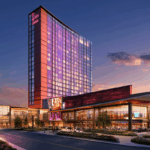

Betting on Bricks
Casinos don’t just roll the dice, they also roll out real estate empires. When a casino expands, it’s not just adding slot machines; it’s reshaping entire landscapes, turning sleepy towns into sprawling hubs of homes, shops, and offices. For investors and developers, this isn’t a game of chance, it’s a calculated bet on growth, where the house always wins if you play your cards right. But like any high-stakes play, the risks loom large: sprawl can bring boom or bust, depending on how the chips fall [1]. Let’s dive into the mechanics behind this gamble.
The Sprawl Effect
How Casinos Fuel Expansion
Casinos need space, lots of it. From parking lots to hotels, their growth demands land, and that hunger for square footage doesn’t stop at the property line. As casinos expand, they draw crowds, jobs, and infrastructure, creating a ripple effect that pulls in developers eager to build homes for workers, shops for tourists, and offices for suppliers [2]. It’s a domino effect: one casino’s growth can spark a chain reaction, turning fields into suburbs and suburbs into cities. This isn’t new: gaming hubs have long been catalysts for urban sprawl, with their magnetic pull reshaping regions far beyond the gaming floor.
Real-World Wins and Losses
The real-world impact of casino-driven sprawl varies widely. Las Vegas transformed from a dusty outpost into a global destination, with casino expansions driving a real estate boom that ballooned its metro population from a small base to millions [3]. Macau, dubbed the “Vegas of Asia,” saw property prices soar as gaming revenue fueled rapid development. But it’s not all jackpots: Atlantic City’s casino growth spurred overbuilding, leaving pockets of vacancies and blight when demand didn’t keep pace [4]. Traffic congestion, strained utilities, and environmental stress often tag along, turning unchecked sprawl into a cautionary tale for regions chasing the casino dream.
Strategic Bets for Investors
For investors, casino expansions signal opportunity: buy land early, and you could cash in as values climb. Developers can ride the wave and build to meet demand, but timing is critical. Jump in too late, and you risk unsold units or saturated markets. Communities face a balancing act: embrace the growth for jobs and tax revenue, but manage the sprawl to avoid pollution, gridlock, and resource strain [5]. Smart zoning and infrastructure planning can tilt the odds in favor of success. For business pros, the takeaway is simple: study the trends, bet on sustainable growth, and don’t overplay your hand.
Cashing In on Casino Growth
In the high-stakes arena of real estate, casino expansions deal the winning hand for savvy investors. Wager on the sprawl at the perfect moment, and you’ll see property values soar as the gaming empire stretches. But don’t be fooled, as this isn’t a roll of the dice. It’s about mastering the market, knowing when to raise the stakes, and when to cash out. Get it right, and you’ll turn land into a jackpot. Misjudge the play, and the payout slips away. Here, the sharpest minds don’t bet blind. They stack the odds with precision.
Sources:
- Slate. “Full House,”
- Las Vegas Review-Journal. “Las Vegas building growth over decades,”
- Macrotrends. “Las Vegas Metro Area Population 1950-2025,”
- Inquirer. “Casino closure reflects gambling’s new reality,”
- Tourist Economics. “Casino Gambling as a Catalyst of Economic Development: Perceptions of Residents in New Casino Jurisdictions.”
Disclaimer: This analysis is for informational purposes only and does not constitute financial, legal, or investment advice. Readers should conduct their due diligence and consult qualified professionals before making any real estate decisions.