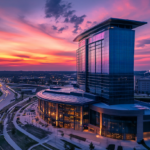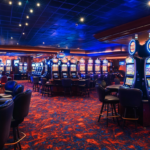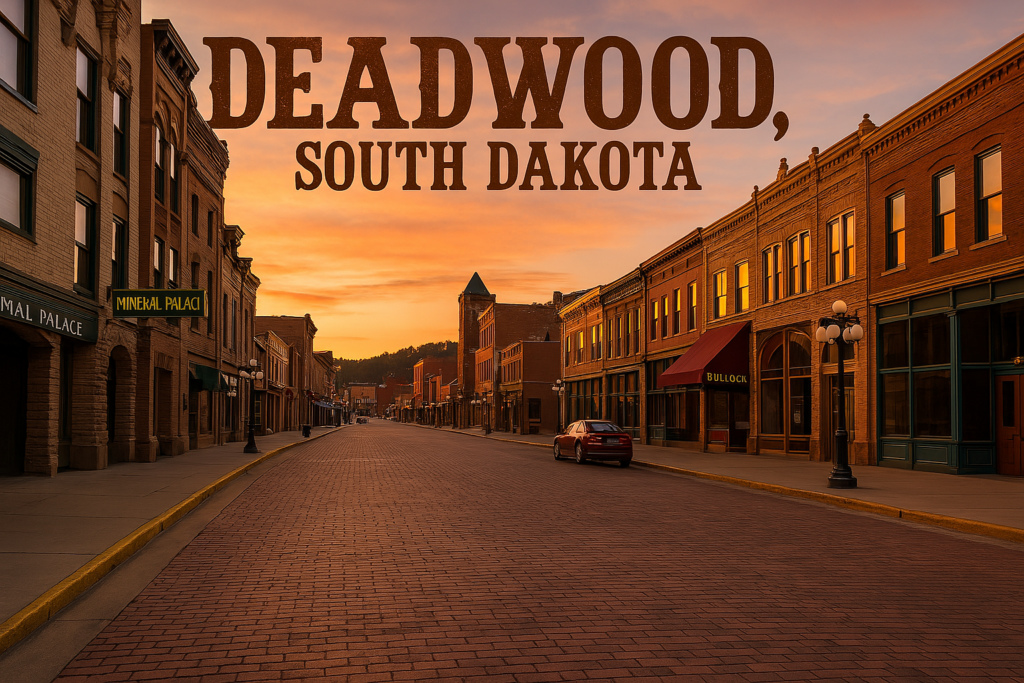

Deadwood, South Dakota, is a place where the ghosts of the Wild West mingle with the buzz of modern casinos. Once a rough-and-tumble gold rush town, it has transformed into a gambling hotspot, luring visitors with its blend of history and high stakes. Beyond the flashing lights and poker chips, Deadwood’s casinos have sculpted its real estate landscape, turning a fading frontier outpost into a destination with a turbulent yet enduring market.
Historical Development
The rebirth of Deadwood began in 1989 when South Dakota legalized limited-stakes gambling within its borders [1]. This move, driven by the Gaming Control Act, aimed to breathe new life into a town struggling to preserve its historic charm amid economic decline. Casinos quickly took root, sprouting along Main Street and reviving Deadwood’s reputation as a place where fortunes could be won—or lost. By the early 1990s, the town had cemented its status as a gambling haven, echoing its wild past.
Real Estate Boom
The launch of casinos ignited a property surge in Deadwood, boosting home values as visitors flocked to gaming halls and spurred local prosperity. This local betting boom tied into a national wave, where The Rise of U.S. Sports Betting has amplified the gambling industry’s impact, further boosting towns like Deadwood that thrive on gaming revenue. Tourists poured in, drawn by gaming and nostalgia, boosting demand for homes, hotels, and commercial spaces. Property values climbed as casino jobs attracted workers and new businesses emerged to serve the crowds. Construction surged, with hotels and entertainment venues rising to meet the needs of a growing population and visitor base. After gambling was legalized, Deadwood’s property market turned into a bustling arena, driven by the vibrant economic pulse of its casino sector.
Challenges
Deadwood’s casino-driven prosperity hasn’t been without pitfalls. The 2008 financial crisis hit hard, slashing tourism and casino revenue, which sent property values into a tailspin. In 1959, the McVey Fire swept through 4,501 acres close to Deadwood, scorching nearby lands but leaving most of the town’s structures untouched. Despite its proximity, Deadwood’s historic structures remained largely intact [2]. More recently, the COVID-19 pandemic stalled its gambling engine, leaving the real estate market reeling. These setbacks exposed the town’s dependence on gaming and tourism, testing its economic foundations and forcing the market to weather sharp declines.
Resilience and Recovery
Despite these blows, Deadwood has proven its grit. After the 2008 downturn, the town leaned harder into its Wild West identity, adding historic reenactments and tours to diversify its draw. Casinos adapted too, broadening their offerings with events and entertainment. The real estate market stabilized as a result, with property values leveling off and new projects blending modern flair with frontier aesthetics. This knack for reinvention has kept Deadwood’s market afloat, even in turbulent times.
Current Landscape
Today, Deadwood’s real estate scene mirrors its cautious resilience. As of February 2025, the median home price hovers around $340,000, up slightly from last year and still robust for the area [3]. With 18 homes on the market according to Zillow and listings lingering for about 53 days [3], the market shows stability rather than explosive growth. Tourism remains a lifeline—over $750 million was wagered in Deadwood’s casinos in the first half of 2024—sustaining demand for properties and hinting at future potential as the town continues to attract visitors [4].
The Legacy
Deadwood’s transformation from a faded gold rush town to a thriving casino hub reflects resilience and reinvention. Its casinos have been a double-edged sword, driving real estate booms while leaving the town vulnerable to economic and natural shocks. Yet, Deadwood persists, its market a reflection of a community that thrives by balancing its storied past with an uncertain future. In this Wild West town, the stakes are high, but the spirit is higher.
Sources
- South Dakota State News. “Historic Deadwood Celebrates 20th Anniversary of Gaming,”
- City of Deadwood South Dakota. “BLACK HILLS HOLOCAUST of 1959,”
- Redfin. “Deadwood, SD Housing Market,”
- Dakota News Now. “Gamblers spend $750 million in Deadwood during first half of 2024.”