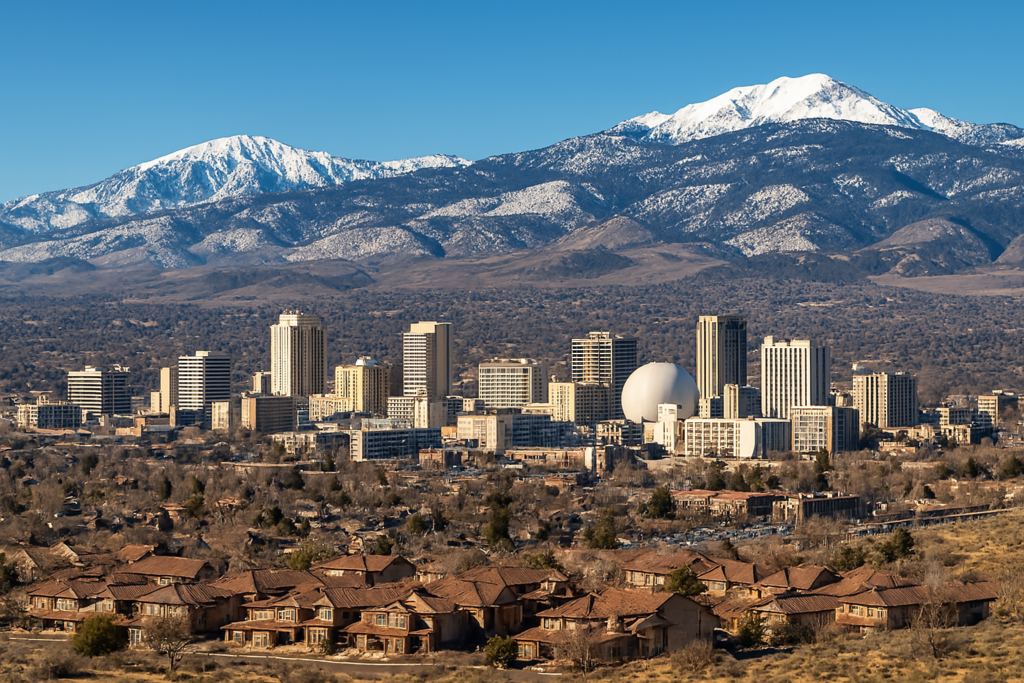

Reno, Nevada, dubbed “The Biggest Little City,” stands as a unique chapter in America’s gambling saga. While often overshadowed by its glitzy neighbor, Las Vegas, Reno carved out its own identity as a gambling hub with a quieter, yet transformative, growth. Its casinos didn’t just bring card tables and slot machines—they reshaped the city’s real estate landscape, turning a modest town into a bustling urban center.
Historical Development
The spark came in 1931 when Nevada legalized gambling, a bold move during the Great Depression that put Reno on the map. Unlike Las Vegas, which later exploded into a global spectacle, Reno embraced a subtler charm. Casinos sprang up quickly, with landmarks like the Mapes Hotel—America’s first high-rise hotel-casino, opened in 1947—signaling the city’s ambitions. This shift drew tourists and workers, igniting a population boom that rippled through the local economy.
Real Estate Boom
Casinos didn’t just fill Reno’s streets with neon lights; they fueled a real estate surge. As the gaming industry thrived, it attracted a wave of workers, entrepreneurs, and families chasing opportunity. Housing demand soared, pushing property values not only in Reno—in the state itself upward and triggering a construction frenzy [2]. Single-family homes and apartments multiplied to house casino staff, while commercial spaces emerged to serve the growing population. Beyond gaming, new businesses cropped up, amplifying the real estate market’s momentum. By the mid-20th century, Reno was no longer a sleepy outpost—it was a city on the rise.
Challenges
Yet, prosperity came with vulnerability. Reno’s heavy reliance on gaming and tourism left it exposed during economic storms. The 2008 housing crash struck with brutal force, slashing home prices by 63% from their 2006 peak—a steeper drop than the national average. This collapse underscored the fragility of a market tethered to discretionary spending, leaving neighborhoods reeling and investors wary [3].
Resilience and Recovery
Reno’s story didn’t end in a bust. By the mid-2010s, the real estate market clawed its way back, with home sales surpassing pre-crash highs. The city pivoted, diversifying its economy by luring tech firms and startups, which injected fresh energy into the recovery. Reno’s stunning Sierra Nevada backdrop and affordable lifestyle kept drawing residents, bolstering housing demand. This adaptability turned a dire setback into a tale of resilience.
Current Landscape
Today, Reno’s real estate market boasts steady growth. Average home values hover above $550,000, a figure that’s competitive compared to pricier Western cities like San Francisco [4]. Forecasts point to continued appreciation through 2025, with no looming price crash in sight. Homes sell fast, often sparking bidding wars, though a slight uptick in housing supply offers hope for balance. Job growth outpacing the national average—driven by sectors like technology and logistics—underpins this stability. Reno’s location, business-friendly climate, and outdoor appeal make it a draw for buyers and investors alike.
A Lasting Legacy
Reno’s journey from a quiet town to a dynamic city reflects the profound influence of its gambling roots. Casinos built the foundation, but resilience and reinvention have kept the real estate market thriving. With economic diversification and unrelenting demand, Reno’s future looks promising—a testament to its ability to turn boom-and-bust cycles into enduring opportunities.
Sources
- Online Nevada Encyclopedia. “Mapes Hotel and Casino, Reno | ONE.”
- Wyoming Economic Analysis Division. “Historical Census of Housing Tables – Home Values.”
- Reno Realty Blog. “Forecasting Reno’s 2024 Housing Market in the Wake of Economic Shifts.”
- Redfin. “Reno, NV Housing Market”