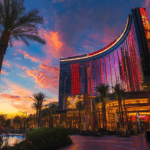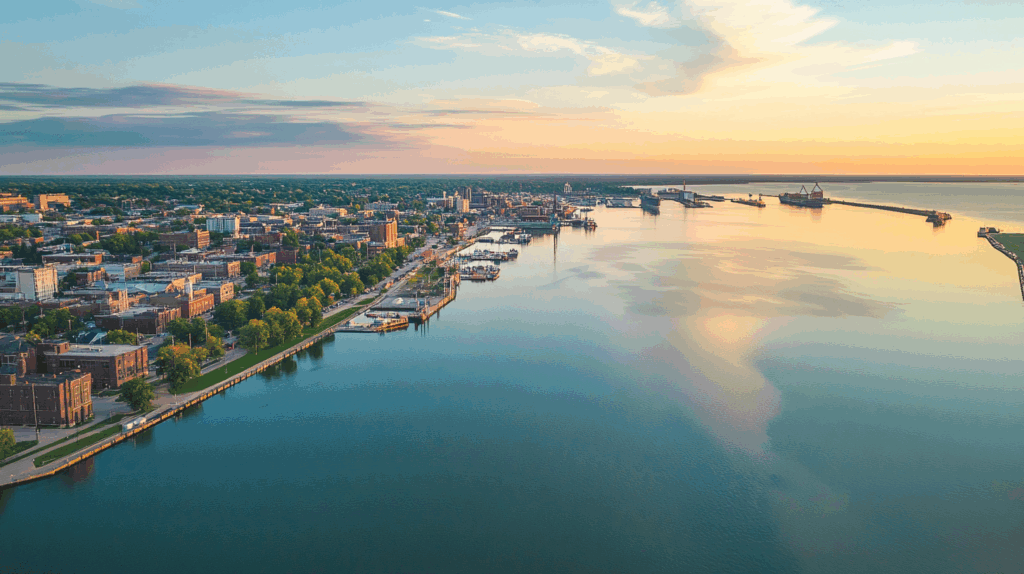

Sault Ste. Marie, Michigan, is a small city on the Upper Peninsula’s edge, which has historic locks and rugged charm, and a surprising ace up its sleeve: the Kewadin Casino. Owned by the Sault Ste. Marie Tribe of Chippewa Indians, this gaming hotspot lures Canadians across the International Bridge and pulls in Great Lakes tourists seeking a flutter. For a town of just 13,000, it’s a notable gambling hub, blending natural beauty with the buzz of slot machines. But what’s the real estate payoff? The casino has stirred the property pot, sparking growth, weathering setbacks, and carving a unique market niche.
Historical Development
The 1988 Indian Gaming Regulatory Act opened the door for tribal casinos, and by 1987, the Kewadin Casino, Hotel, and Convention Center was up and running [1][2]. Its strategic spot, a stone’s throw from Canada, turned the town into a cross-border draw. Tourists flocked to the lakeside gaming floors, shifting Sault Ste. Marie’s identity from a shipping outpost to a regional gambling contender [3].
Real Estate Boom
The casino emergence has changed the local real estate market for the better. Housing demand ticked up as workers and visitors arrived. Lakefront cabins, once quiet escapes, caught the eye of Canadian investors hunting bargains south of the border. Seasonal rentals popped, fueled by snowbirds and casino event crowds [3]. Commercial properties joined the party, with diners and shops cropping up to serve the influx. Growth stayed modest, though. The town’s remote perch and small size kept it from exploding like bigger gambling cities, offering a gentle lift rather than a rocket ride.
Challenges
Trouble brewed over the years. The 2008 financial crash hit hard, slashing casino revenues and freezing property values as tourism waned. Brutal winters slowed building projects and scared off some buyers. The town’s isolation, far from bustling metros, crimped its allure. Then came 2020, when the COVID-19 pandemic shuttered the casino, shaking the local economy. These blows underscored the gamble of banking on one industry in a rural, weather-whipped spot.
Resilience and Recovery
Sault Ste. Marie’s real estate market refused to fold. The casino, the town’s beating heart, poured millions into renovations, keeping the crowds coming. In 2024, the Sault Tribe tallied $110 million in gaming revenue, a lifeline for local commerce and housing demand [4]. Canadian buyers, lured by prices dwarfing Ontario’s, scooped up cabins. Seasonal rentals thrived, tied to the casino’s busy event slate. The market proved it could take a punch, bouncing back with grit and a border-town edge [5].
Current Landscape
Today, in 2025, Sault Ste. Marie’s real estate hums with cautious calm. The median home price hovers at around $180,000, a steal nationally but flat for years. Listings dawdle for 50 days, hinting at a buyer’s market with little rush [6][7]. With over 1100 job employees and a huge revenue, the casino’s pull keeps things afloat. Lakefront homes and rentals shine, while commercial spots near the gaming hub buzz. It’s a steady gig for investors, not a blockbuster, with potential hinging on the casino’s staying power and cross-border traffic.
The Legacy
Sault Ste. Marie’s casino bet has paid off, sort of. The Kewadin lifted property values and tourism, but it’s no jackpot. Economic hiccups and a quirky location have tamed the gains. Still, this lakeside town mixes gaming spice with small-town soul, a solid pick for those chasing a low-key market. Its future? Tied to the casino’s luck and the border’s pulse, it’s a calculated risk with a resilient streak.
Sources
- Wikipedia. “Kewadin Casinos,”
- Kewadin Casinos. “Renovations,”
- Indian Country Today. “Kewadin Casinos Celebrates 25 Years,”
- Zippia. “Kewadin Casinos Revenue,”
- Sault Tribe. “Kewadin Casinos Announces Multi-Million Dollar Upgrade Project,”
- Zillow. “Sault Sainte Marie, MI Housing Market,”
- Redfin. “Sault Ste Marie, MI Housing Market.”
Disclaimer: This analysis is for informational purposes only and does not constitute financial, legal, or investment advice. Readers should conduct their due diligence and consult qualified professionals before making any real estate decisions.