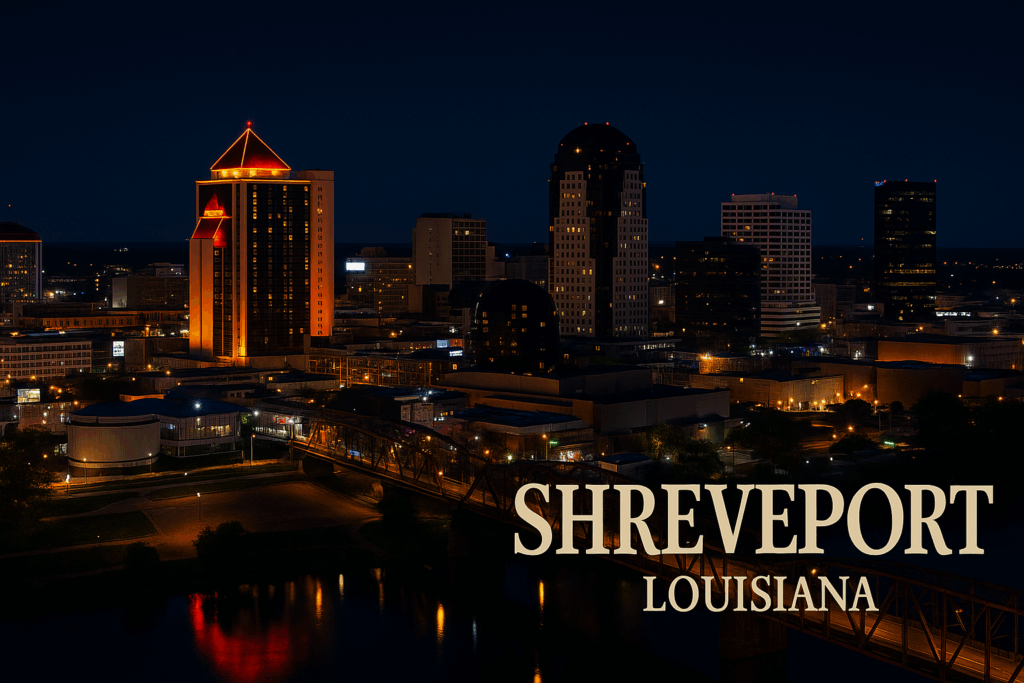

Shreveport, Louisiana, is a city where the Red River meets a gamble that paid off…sort of. Known for its riverboat casinos, this once-sleepy town has morphed into a vibrant gambling hub, its neon glow luring visitors from neighboring states. But beyond the slot machines and poker tables, Shreveport’s real estate market has danced to the rhythm of its casino-driven economy, experiencing booms, busts, and a steady recovery worth watching.
Historical Development
The story kicked off in 1991 when Louisiana legalized riverboat gambling to boost its economy [1]. Shreveport seized the opportunity, launching its first casino, Horseshoe Shreveport, in 1994 [2]. More floating gaming palaces followed, turning the city into a regional hotspot for Texans and Arkansans eager to roll the dice. These riverboats weren’t just a tourist draw—they sparked an economic revival, putting Shreveport on the map as a gambling destination.
Real Estate Boom
Casinos lit a fire under Shreveport’s real estate market. Property values near the riverfront surged as tourists poured in, with median home prices jumping 18% over the last decade—recovering after the COVID-19 Recession [3]. Developers rushed to cash in, building hotels, restaurants, and entertainment spots to serve the growing crowds. Casino jobs drew new residents, spiking housing demand and fueling a construction boom. By the early 2000s, Shreveport’s skyline bore the marks of this gambling-fueled prosperity.
Challenges
The good times didn’t last unchecked. The 2008 financial crisis hit hard, slashing property values by 2012 as casino revenues faltered. Mother Nature piled on, with Hurricane Katrina in 2005 and other storms battering the region, damaging homes and stalling the economy [4]. These blows exposed the risks of leaning too heavily on gambling, leaving Shreveport’s real estate market reeling.
Resilience and Recovery
Shreveport didn’t stay down for long. The city pivoted, pouring funds into infrastructure and broadening its economic base beyond casinos. By the mid-2010s, property values showed a modest increase over a decade, showing signs of life. Casinos adapted too, adding concerts and dining to keep tourists coming. This resilience steadied the real estate market, proving Shreveport could weather tough odds. Today, Louisiana has also embraced the digital era, with a thriving online sports gambling industry contributing to state revenues and diversifying entertainment offerings across approved parishes.
Current Landscape
Today, Shreveport’s real estate hums along at a measured pace. As of April 2025, the median home price hovers at $175,000, up 2.9% from last year, per Redfin [5]. With 1more than 130 homes sold last month, supply and demand are balanced, though homes sit longer than in boomtowns elsewhere. Visitor traffic continues to bolster property demand, yet a 4.5% unemployment rate in 2024, aligning with national figures, restrains expansion. Still, affordability and downtown revitalization efforts signal potential for savvy investors.
The Legacy
Shreveport’s tale is one of calculated risks and gritty comebacks. Its riverboat casinos sparked a real estate boom that reshaped the city, but also left it vulnerable to economic and natural storms. Now, with a stable market and eyes on the future, Shreveport proves it’s more than a gambling town—it’s a place that knows how to play the long game.
Sources
- Los Angeles Times. “Gambling Has Raised Travel Stakes,”
- Shreveport Times. “25 years of casino gambling in Shreveport-Bossier City,”
- Construction Coverage. “Cities With the Largest Increase in Home Prices Over the Last Decade,”
- National Institutes of Health (NIH). “Environmental Public Health Impacts of Disasters: Hurricane Katrina: Workshop Summary,”
- Redfin. “Shreveport, LA Housing Market”