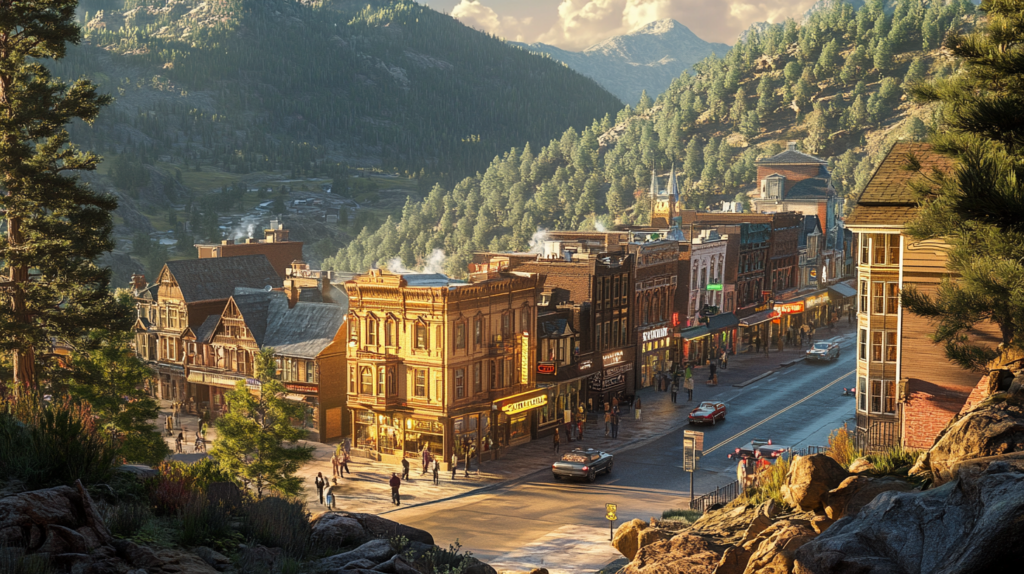

A Mountain Town Rolling the Dice
Nestled 40 miles west of Denver, Black Hawk, Colorado, hums with the energy of a modern gold rush. Casino lights flicker against rugged peaks, drawing over 20,000 visitors daily [1]. Historic streets, once quiet after the mines ran dry, now pulse with gamblers, tourists, and—most intriguingly—real estate investors. Median home prices hover at $590,000 [6], fueled by demand for vacation rentals and mountain retreats. This isn’t just a gambling hub; it’s a market where the stakes are high and the payoffs are tangible. But how did a faded mining town turn into this?
The Turning Point: From Pickaxes to Poker Chips
Black Hawk’s story pivots on a single roll of the dice. In the 1850s, it thrived as a gold rush outpost, its hills alive with prospectors. When the ore dwindled, so did the town—until 1990, when Colorado legalized limited-stakes gambling via Amendment 4 [3]. Casinos opened in 1991, and overnight, Black Hawk reinvented itself. Over $1 billion poured into land and gaming projects by 2017 [4], restoring Victorian facades and sparking a tourism boom. That gamble didn’t just save the town—it set the stage for a real estate resurgence.
The Real Estate Game: Risks and Rewards
In Black Hawk, property is the new gold, but it’s a game of strategy. The casino boom drives demand—short-term rentals near Gregory Street or the Ameristar Casino rake in tourist dollars, while scenic cabins lure Denver weekenders. New developments, like the Monarch Casino’s hotel expansion [5], keep the market buzzing. Yet, the mountain setting brings wild cards: winter slows tourism, dipping rental income, and economic downturns test resilience. Still, the numbers hold strong—prices have climbed steadily since the 2008 crash [2]. Smart players buy in the off-season or target homes for casino staff leases to balance the seasonal swings.
The Investor’s Playbook
For those ready to bet on Black Hawk, here’s the edge: focus on properties with views or casino proximity—think $600,000 condos or historic fixer-uppers with rental potential. As of late 2024, homes sell in 62 days on average [2], and upcoming casino projects signal more growth. Compare that to Denver’s overheated market, and Black Hawk looks like a steal. With the city’s tourism pulling in steady crowds, diversifying between short-term and long-term rentals can maximize returns.
Bet on the Future
Black Hawk has always thrived by defying the odds—from gold mines to gaming tables, and now to real estate riches. Its mountain charm, casino draw, and proximity to Denver make it a market with room to grow. As new developments rise and investors eye the next big play, this isn’t a town resting on its past—it’s one daring you to get in on the action. Will you take the chance?
Sources
- “Black Hawk’s Future” – Black Hawk CO,
- “Black Hawk, Colorado Housing Market Report December 2024 – Rocket Homes,
- “Thirty Years After Colorado Legalized Gambling, Two Towns Bet on the Future” – Westword,
- “Black Hawk eyes development renaissance” – Colorado Real Estate Journal,
- “Monarch Casino & Resort Reports Record Fourth Quarter and Full Year 2022 Financial Results,”
- “Black Hawk Housing Market: House Prices & Trends” – Redfin