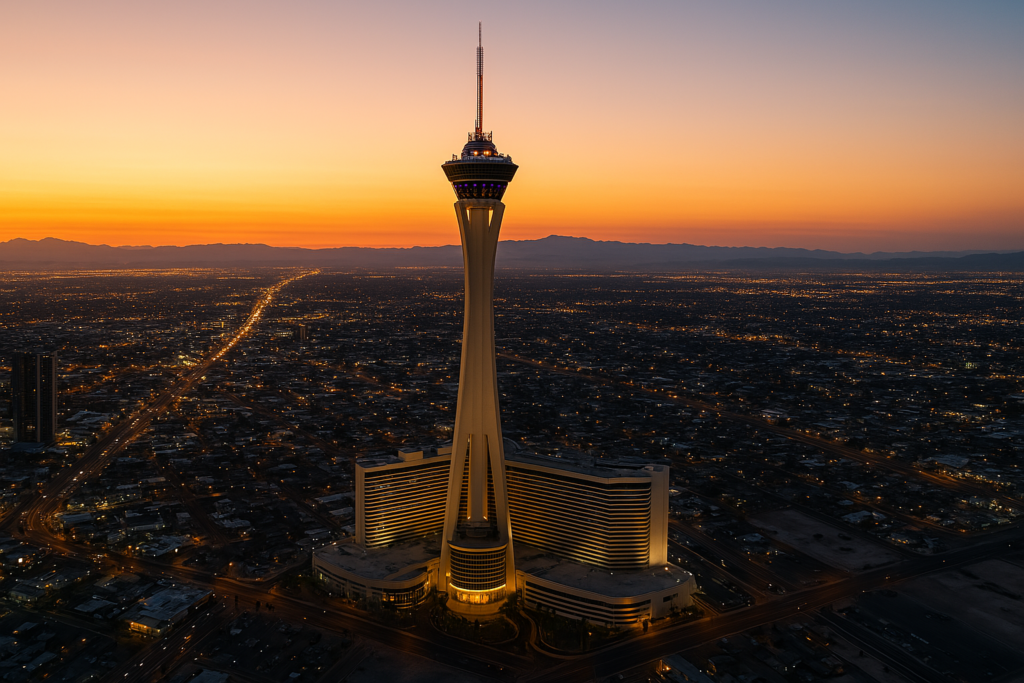

Casinos don’t just stack chips—they stack stories. Towering over cityscapes, these gambling giants aren’t merely altering skylines; they’re rewriting the rules of urban real estate. From faded districts to glittering hubs, casino towers transform concrete into cash, driving economic shifts that ripple through markets and portfolios. It’s a high-stakes game with lessons for investors, developers, and cities alike. Let’s dive into how these developments reshape urban landscapes and offer strategic opportunities for those bold enough to play.
The High-Rise Gamble
The Spark: Reviving Forgotten Turf
Casinos rarely settle in thriving hubs—they seek urban underdogs ripe for reinvention. Operators target districts where investment has dried up, snapping up cheap land in faded industrial zones or struggling downtowns. With deep pockets and a gambler’s eye for untapped potential, they unveil blueprints for sprawling towers that fuse gaming floors with hotels, upscale dining, and entertainment complexes. This isn’t random—it’s calculated. Casinos often secure tax incentives or flexible zoning laws that make these locations even more attractive. The cash they inject sparks broader renewal, funding infrastructure like improved roads, public transit, or utilities. History underscores this pattern: fading resort towns like Reno and Atlantic City have long turned to casinos as economic lifelines, betting on their ability to revive forgotten turf. Take New Jersey, for example—its robust Sports Betting Revenue has generated billions, showcasing how gambling can drive economic transformation. The formula is straightforward yet potent: big projects, especially those tied to gambling, attract big money. The more capital poured in, the higher the chance to turn neglected blocks into bustling, high-value property.
The Build: Towers That Tilt the Market
When a casino tower takes root, the real estate landscape shifts—fast. Las Vegas sets the benchmark: once a quiet desert settlement, its Strip now sparkles with massive casinos and soaring property values that seem to defy logic. The trend echoes worldwide. In Detroit, the MGM Grand Casino played a key role in driving a mixed-use revival, sparking the growth of condominiums, retail stores, and dining options. Philadelphia’s Rivers Casino (formerly SugarHouse) turned a gritty waterfront into a vibrant hub of apartments and nightlife. Singapore’s Marina Bay Sands didn’t just pierce the skyline—it birthed a luxury district pulsing with commerce [1]. Data backs the boom: properties near these towers can rise in value after opening. But there’s a catch—gentrification can also price out longtime residents, while traffic congestion or noise might spark backlash. Smart cities counter this with careful zoning and community engagement, ensuring growth enhances rather than erodes the urban fabric.
The Jackpot: Betting on Bricks
For investors, casino towers are a high-roller’s bet with jackpot potential—if you play your cards right. Buying land nearby before the cranes arrive can yield massive returns as the area blossoms. Picture snagging dirt-cheap lots near a nascent Vegas Strip or warehouses poised for a casino-driven glow-up [2]. Developers capitalize too, building luxury homes, offices, or retail to ride the wave of new demand. Communities reap rewards beyond property values: casinos create thousands of jobs—dealers, chefs, housekeepers—while spurring growth in hospitality and services. Savvy players diversify, pairing towers with convention centers, theaters, or parks to buffer against gaming downturns. Cities can channel casino tax revenue into schools, infrastructure, or affordable housing, securing long-term gains. Yet risks loom—overbuilding or over-reliance on tourism can falter if tastes change. Success hinges on strategy, not chance, making it a game of calculated moves over blind luck.
Final Stake
In the high-stakes arena of urban development, casino towers are the wild card. Bet wisely—on location, timing, and balance—and you might just hit the jackpot in bricks and mortar.
Sources
- SP Group, “Marina Bay district cooling network to be expanded with new partnerships”
- Reuters, “Investors cashing in on Las Vegas Strip land boom”